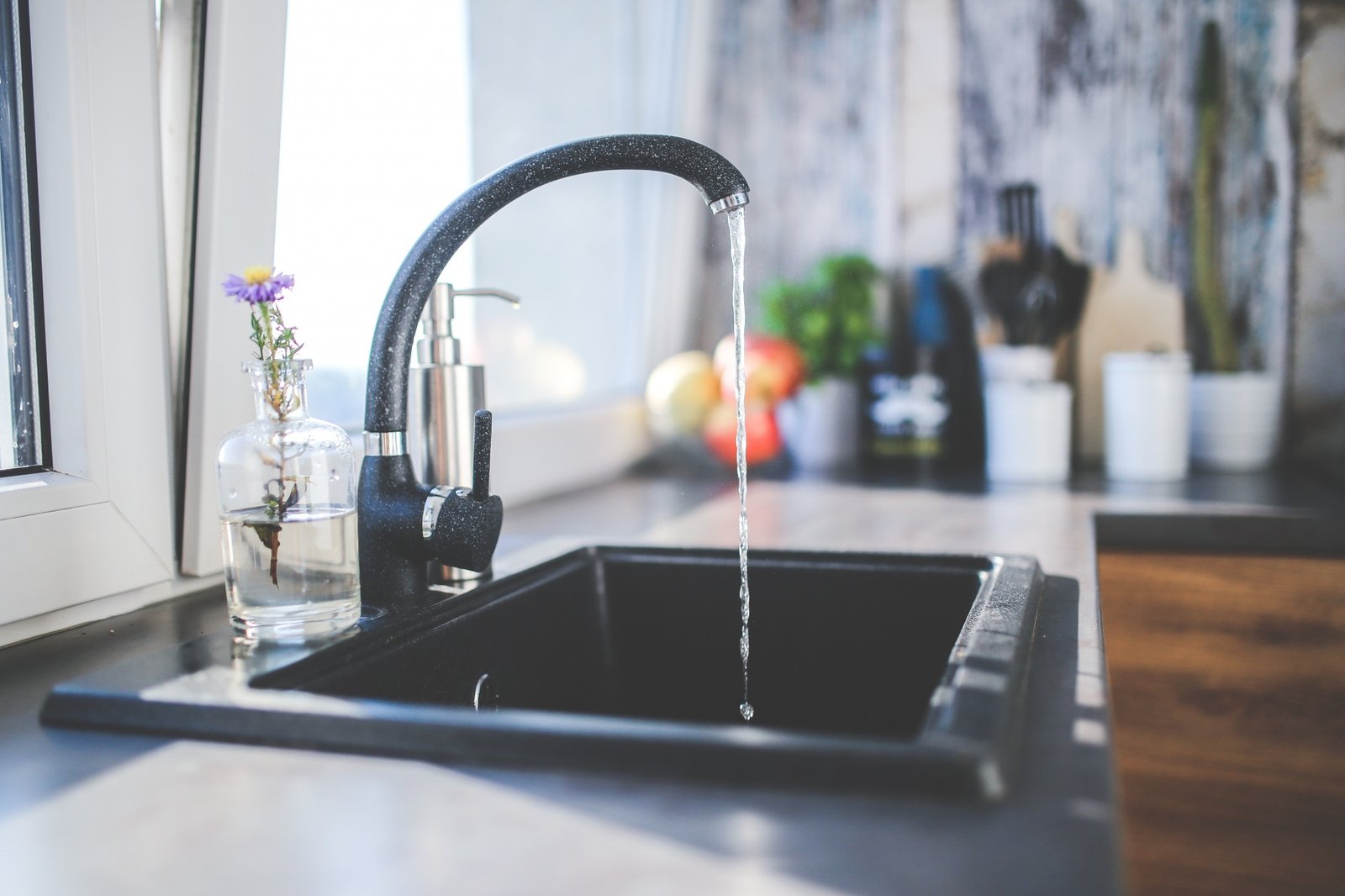
Up to 60% of the human adult body is water. It is an irreplaceable compound crucial for keeping your body operating and is the key to having a healthy, high-quality life. Quenching your thirst and staying hydrated is the foundation of better living.
However, the water that flows from our taps is rarely just H2O. From industrial byproducts to sanitizing chemicals, understanding what is in your water is the first step toward better health and a more sustainable future.
What’s Hiding in Your Water Supply?
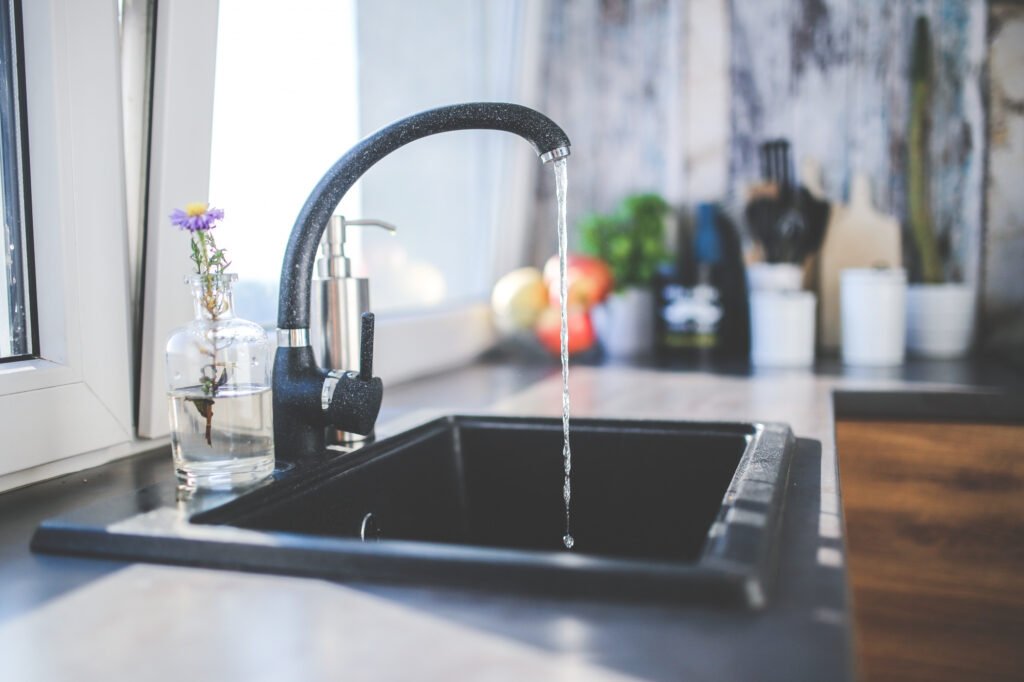
Many factors can cause contamination, and there are numerous routes these substances take to enter your water supply. Understanding the chemical jargon is critical to knowing what you are consuming.
Here is a breakdown of the most common chemicals and contaminants found in modern water supplies:
Material
What is it?
Potential Impact
PFAS (Per- and polyfluoroalkyl substances)
Man-made industrial pollutants utilized in the production of hundreds of products since the 1940s.
Prevalent in the environment and the human body. The full health consequences of these “forever chemicals” are only now being discovered.
Lead
A highly toxic heavy metal.
Overconsumption can cause cardiovascular detriments, decreased kidney function, and reproductive problems.
Chlorine
A chemical renowned for sanitizing pools and municipal water supplies.
While beneficial for sterilization, excess exposure can lead to itchy and dry skin, brittle hair, and irritant dermatitis.
Chloramine
A disinfectant made up of five parts chlorine and one part ammonia.
Heavily impacts the flavor and overall quality of drinking water.
Warning Signs and Water Testing
It is important for water to be completely clear and odorless. If it isn’t, it is an immediate cause for concern.
- The Smell Test: If you turn on the shower and your bathroom smells like a carton of rotten eggs, or if your glass of water smells like it came straight out of a swimming pool, you likely have a chemical imbalance or contamination issue.
- The Skin Test: If you notice your skin feels excessively dry and sensitive after bathing or swimming, it may be a reaction to high levels of chlorine or chloramine.
Putting Your Water to the Test: In the simplest terms, a water test takes a sample of your tap water and determines the exact concentration of substances other than water—the contaminants. If you suspect your water quality is compromised, professional testing is the best route. Reaching out to local experts, such as Water Analytics Indonesia, can help you explore the best filtration and purification options for your home. Filtering your drinking water is often the most sensible way to lower chemical concentrations and improve taste.
The Bigger Picture: Water Sustainability
While filtering our personal water supply is important, we must also address the global water crisis. Water is our most valuable resource, but the world’s freshwater supply is finite. What we’ve got is what we’ve got.
Prepare yourself for some sobering facts:
- Around 360,000 births occur every day, rapidly increasing the number of people relying on a limited resource.
- The Global Water Forum anticipates that global water consumption will rise by 55% by 2050.
- This spike is driven by the rising demand for water supplies required for food and energy production to support a growing population.
Freshwater scarcity is an increasing global worry. Paying attention to our water supply—how we treat it, how we use it, and how we sustain it—is more important now than ever before.